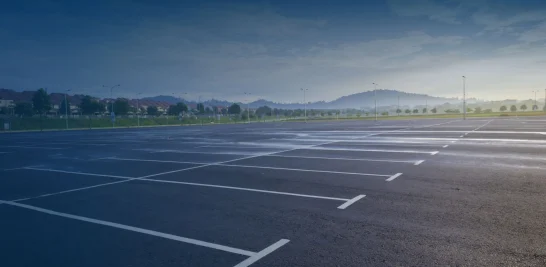
Parking lot repaving signs rarely appear overnight. They usually start as small issues. Cracks begin to spread, water starts sitting where it shouldn’t, or potholes keep coming back after repairs. It’s easy to stay in a repair cycle when those issues seem manageable.
For commercial properties where these small surface issues have spread and begun to affect day-to-day use, it may be time to consider parking lot repaving.
In North Carolina, pavement tends to wear down faster than expected due to traffic and changing conditions throughout the year. At Carolina Asphalt, we’ve spent over 25 years helping property managers recognize those early warning signs and decide when repairs are no longer enough.
In the following article, we break down commercial parking lot paving, the warning signs that indicate it’s time to repave, and what to expect when repaving a parking lot.
Table of Contents
Understanding Parking Lot Repaving vs. Repair
One of the most common questions we get is whether a parking lot needs to be repaired or replaced. The decision usually depends on the extent of the damage and whether the base underneath is still stable.
What Parking Lot Repaving Involves
Parking lot repaving focuses on restoring the pavement’s structure, not just giving the surface a quick fix. Most projects follow a similar flow:
Mill The Existing Surface
The top layer of asphalt is removed to create a uniform surface and eliminate damaged material.Inspect And Repair The Base
Once the surface is removed, the base is evaluated, and any failed areas are repaired. This step is critical. If the foundation has shifted or weakened, new asphalt will only lead to the same issues returning.Install New Asphalt
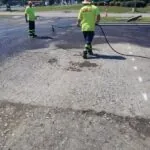
Once the structure is stabilized, new asphalt is installed and compacted to create a smooth surface built for ongoing traffic.
For most commercial properties, planning matters just as much as the work itself. Project phasing needs to be considered to keep operations moving during the process.
Repair vs. Replace Decision Matrix
Repairs still have a place when damage is limited, and the structure underneath is intact. Targeted work, such as asphalt patching and crack sealing, can extend the life of the pavement when issues are confined to specific areas.
Commercial parking lot paving usually makes more sense when the same issues start to recur. Widespread cracking, repeated patching, and ongoing drainage problems are all signs that the structure is starting to give out below the surface. Continuing to repair isolated areas often leads to higher long-term costs without really solving the problem.
Warning Signs Your Parking Lot Needs Repaving
Knowing the warning signs can help you avoid larger, more costly problems:
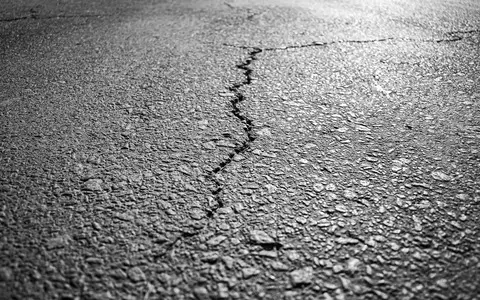
Extensive Cracking (Alligator, Linear, and Block Cracking)
Alligator cracking indicates structural failure, often caused by water reaching the base and weakening its load-bearing capacity. If cracks keep reappearing after routine asphalt parking lot repair and maintenance, it’s a sign the issue runs deeper than the surface.
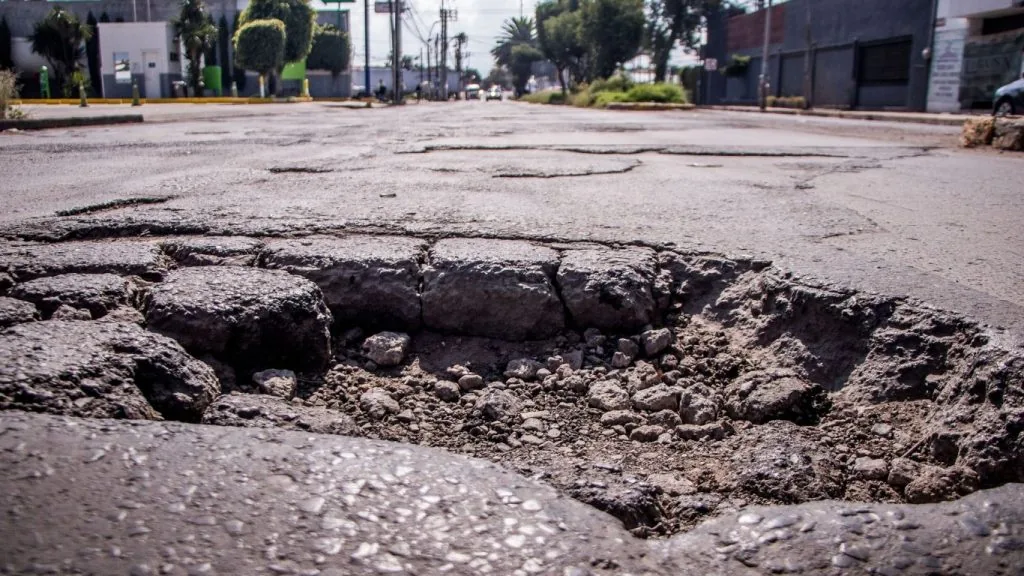
Significant Potholes and Surface Deterioration
Potholes form when water breaks down the pavement, and traffic causes the surface to collapse. A few isolated areas can be repaired, but when potholes appear throughout the lot, it often signals broader structural damage and may interfere with ADA compliance.
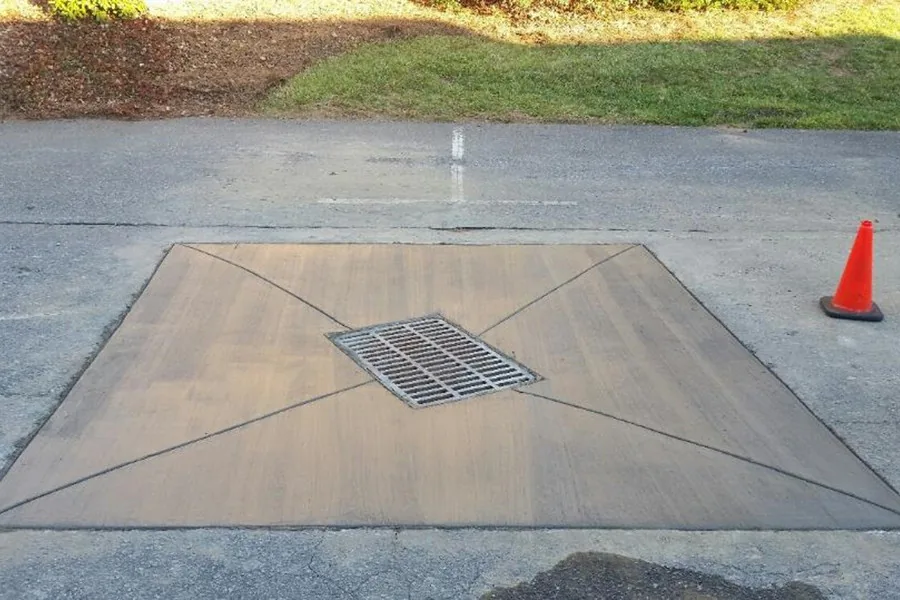
Drainage Problems and Standing Water
Standing water is one of the fastest ways to break down a parking lot. When drainage isn’t working properly, moisture seeps into the pavement and weakens it over time, leading to cracks. Once these issues spread, repairs usually don’t hold for long.
North Carolina Climate Factors That Accelerate Repaving Needs
In North Carolina, a mix of heat, humidity, and seasonal temperature swings tends to accelerate pavement deterioration.
Freeze-Thaw Cycle Damage
Even with milder winters, temperature swings still take a toll. Water gets into cracks, expands as it freezes, and contracts as it thaws, slowly widening and weakening the pavement. Over time, what starts as surface cracking can turn into larger structural issues if the cycle continues.
Heat and UV Degradation
Summer conditions create a different kind of wear. Prolonged heat and sun exposure dry out the asphalt, making it more brittle and prone to cracking under traffic. As that process continues, the surface weakens, and repairs tend to hold for shorter periods.
Cost Considerations and Budgeting for Parking Lot Repaving
Waiting too long can drive up the cost of repaving a parking lot, turning manageable projects into more involved processes.
Repaving Parking Lot Cost Breakdown
Asphalt parking lot resurfacing costs come down to a few key factors:
Size Of The Lot
Larger lots require more material and laborCondition Of The Existing Base
Base issues add additional prep and repair workAccess And Layout
Active sites or phased work can affect planningAdditional Scope Items
Striping, drainage, and accessibility updates add to the total
In many cases, repaving becomes more cost-effective than continuing to repair the same areas.
Long-term Financial Benefits
Looking at repaving as a one-time expense doesn’t always tell the full story. For commercial properties, it’s often part of a longer-term approach.
Reduce Ongoing Repair Costs
Fixing the underlying issues means you’re not constantly patching the same areasLimit Liability Concerns
Smoother surfaces help reduce trip hazards and damage risksSupport Property Operations
Well-maintained pavement helps traffic move more easilyExtend Pavement Lifecycle
A solid foundation makes future maintenance more predictable
The Repaving Process: What to Expect
For most commercial properties, repaving is less about the individual steps and more about how everything is planned and executed together.
Most parking lot paving projects follow a similar flow:
Site Assessment and Planning
Every project starts with a detailed evaluation of the existing pavement. At Carolina Asphalt, that means looking beyond surface damage to assess drainage, traffic flow, and overall performance. When needed, core samples are taken to check the condition of the base and confirm whether it can support new asphalt.
From there, the plan is built around the property. This includes handling any permit requirements in North Carolina and developing a timeline that works with your schedule. For active sites, staging the work in phases helps keep access open as the project progresses.
Installation and Quality Assurance
Once the project is underway, the focus shifts to execution:
Mill The Existing Surface
Existing asphalt is removed to create a consistent starting pointRepair The Base Where Needed
Any failed areas are addressed to support the new surfacePrepare The Surface For Bonding
The area is prepped to ensure proper adhesionInstall And Compact New Asphalt
New asphalt is installed and compacted for durabilityStripe Based On Layout And Traffic Needs
Parking lot striping is performed to keep the property safe and functional
When these steps are handled correctly, the finished surface is built to withstand daily use and reduce the need for ongoing repairs. Allowing the asphalt to cure and avoiding heavy traffic early on also helps protect the surface. Ongoing maintenance and routine inspections further extend the life of the pavement.
Frequently Asked Questions
How long does a repaved parking lot last in North Carolina?
Most repaved parking lots hold up for 15 to 20 years with proper maintenance. Heavier traffic and drainage issues can shorten that timeline, while consistent upkeep can help extend it.
What’s the difference between repaving and resurfacing?
Parking lot repaving involves removing and replacing the existing surface, especially when structural concerns are present. Parking lot resurfacing is more of a top-layer addition, which is installed when the base is still in good shape.
Can a parking lot be repaved in sections?
Yes, this approach allows you to keep parts of the lot open while work is performed in phases.
What’s the best time of year to repave in North Carolina?
Late spring through early fall tends to work best since asphalt needs consistent temperatures for proper installation and curing. Spring through early fall is usually the safest window.
How do I know when repairs are no longer enough?
If the same issues keep coming back or start spreading across the lot, it’s usually a sign that the problem goes deeper than the surface. At that point, repairs tend to be short-term fixes, and repaving the parking lot becomes the more reliable long-term option.