If you manage a commercial property, you already know your parking lot never really gets a break. Trucks cut tight turns at the entrance. Employees arrive all at once in the morning. Customers expect smooth traffic flow and clearly marked spaces. Day after day, that activity adds up.
That is where commercial parking lot maintenance comes in. It works best as a plan, rather than a reaction. When you stay ahead of small cracks and surface wear, you avoid bigger structural problems later.
In the Carolinas, heat, humidity, heavy rain, and steady traffic can speed up pavement deterioration. What starts as a thin crack can turn into a pothole faster than most property managers expect. This guide walks you through what to look for, how often to inspect, and how to build a practical maintenance strategy that protects your pavement and your budget.
Table of Contents
What Is Commercial Parking Lot Maintenance, and Why It Matters
Commercial parking lot maintenance simply means staying ahead of wear. It includes routine inspections, preventative services, and targeted repairs that keep asphalt performing the way it should. Asphalt does not fail overnight. It deteriorates in stages.
Here are the primary causes of pavement breakdown:
- Traffic Loads
Constant vehicle weight compresses the surface and gradually weakens the base beneath it. - UV Exposure
Sunlight causes oxidation, which dries out the asphalt binder and makes it brittle. - Water Intrusion
Rain seeps into small cracks and erodes the base layer beneath the surface. - Oxidation
Air exposure hardens the pavement over time, increasing surface cracking.
When maintenance is delayed, deterioration follows a predictable path: cracks widen, potholes form, the base weakens, and reconstruction becomes necessary.
For property managers, this progression matters because each stage increases repair costs. A structured commercial parking lot maintenance strategy improves safety, reduces liability, protects property value, and extends pavement life while helping avoid premature resurfacing or reconstruction.
Without routine maintenance, commercial asphalt may last 7 to 12 years. With consistent inspections and preventative services, pavement can perform for 20 years or more. Early intervention prevents minor surface wear from becoming structural failure.
The Complete Commercial Parking Lot Maintenance Checklist
Instead of waiting for visible failure, successful property managers rely on a recurring checklist. Breaking maintenance into monthly, annual, and multi-year categories makes the process manageable and predictable.
Let’s start with what you can check on a monthly basis:
Monthly Parking Lot Maintenance Checklist
A monthly walkthrough does not need to be complicated. Think of it as a quick health check for your pavement. You are simply looking for changes early on so they don’t spiral into costly repairs.
Here is what to focus on:
- Visual Inspection
Walk the lot with fresh eyes. Are new cracks forming near high-traffic turns? Do you see low spots where water may be settling? Small surface changes are usually the first sign that deeper issues are starting to develop.
- Remove Debris
Leaves, dirt, and trash might seem harmless, but they hold moisture against the asphalt. Over time, that trapped moisture speeds up surface breakdown, especially in shaded or poorly draining areas.
- Check Drainage Areas
After a rainstorm, take a look at how water moves across the lot. If you notice standing water near entrances or loading zones, drainage may need attention before it weakens the base beneath the asphalt.
- Inspect Striping Visibility
Stand at the entrance and look at your layout from a driver’s perspective. If directional arrows or pedestrian crossings are hard to see, it may be time for touch-ups to maintain safe traffic flow.
- Identify Cracks And Small Potholes Early
Thin cracks can widen quickly under commercial traffic. Catching them early allows for preventative sealing before water intrusion leads to potholes.
While monthly checks do a good job of catching problems, a yearly professional evaluation gives you a much clearer picture of your pavement’s condition beyond surface-level observations.
Annual Parking Lot Maintenance Checklist
At least once per year, bring in a qualified commercial asphalt contractor to evaluate areas you may not notice during routine walkthroughs.
Annual priorities typically include:
- Professional Inspection
A detailed assessment identifies patterns in cracking, early signs of base movement, and areas where heavy traffic is accelerating wear.
- Asphalt Crack Filling
If cracks are active or expanding, sealing them prevents water from reaching the base layer. Timely asphalt crack filling is one of the most cost-effective ways to stop deterioration before it spreads.
- Striping Touch-Ups
Over time, markings fade due to traffic and weather exposure. Giving lines and striping a refresh helps to improve organization, safety, and ADA compliance.
- Drainage Evaluation
Proper slope and grading keep water moving away from the pavement surface. A professional can determine whether minor corrections are needed before drainage issues cause larger failures.
- ADA Compliance Review
Accessible spaces, signage, and layout should be reviewed periodically to ensure continued compliance and reduce liability exposure.
An annual review gives you the information needed to prioritize repairs and plan budget allocations instead of reacting to emergencies.
Long-Term Preventative Maintenance Every 2 To 5 Years
Monthly walkthroughs and annual inspections help you stay ahead of small issues. But long-term performance depends on scheduling preventative services at the right intervals.
Think of this phase as preserving pavement that is still structurally sound. If the base is stable, preventative maintenance protects your investment and slows deterioration.
Here are the services property managers should plan for every few years, depending on traffic volume and overall condition:
- Asphalt Sealcoating
Over time, asphalt turns from deep black to a faded gray. That color change is a sign of oxidation. Sealcoating provides a protective coating that shields the surface from UV exposure, moisture, and surface wear. When applied at the right time, asphalt sealcoating slows surface aging and extends pavement life. It should always follow necessary repairs, not cover active damage. - Pavement Line Striping
Traffic patterns change, and accessible parking layouts may need updates. Full parking lot striping restores visibility, improves safety, and ensures your layout remains organized and compliant. - Targeted Patch Repairs
Even with proactive crack sealing, isolated failures may develop in high-stress areas such as entrances, loading zones, or tight turning radii. Professional pothole repair and patching restore those areas before they expand into larger structural issues. - Condition Reassessment
Every few years, reassess overall pavement health. If cracking is becoming widespread or structural fatigue is visible, it may be time to evaluate resurfacing before full reconstruction becomes necessary.
The key here is flexibility. While these services often fall within a 2- to 5-year window, they should ultimately be scheduled based on pavement condition, not just the calendar.

The Most Important Parking Lot Maintenance Services And When They Are Needed
Now, let’s take a closer look at the individual services and what signals tell you it is time to act.
As a property manager, you do not need to diagnose every technical detail. You do need to recognize patterns and understand what they mean.
Asphalt Crack Filling Prevents Major Structural Damage
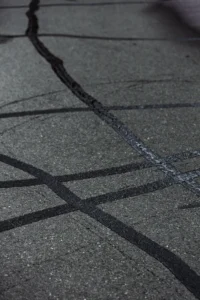
Cracks are early warning signs. When they widen across driving lanes or along joints, water begins to move beneath the surface, weakening the base. Under traffic pressure, that damage spreads quickly.
Timely asphalt crack filling seals those openings before deterioration accelerates. If cracking is expanding across multiple areas, it is a clear signal to address the issue before repairs become more extensive.
Asphalt Sealcoating Protects Pavement From Weather And Oxidation
When asphalt fades from black to gray, oxidation is underway. Sun exposure hardens the binders that hold the pavement together, increasing the risk of cracking. Sealcoating provides a protective coating that shields the surface from UV rays and moisture.
It does not repair structural damage, but when applied at the right time and after necessary repairs, it helps slow surface aging and extend pavement life. Most commercial properties benefit from sealcoating every three to five years, depending on traffic and condition.
Pothole Repair And Asphalt Patching Restore Surface Integrity
Potholes signal that surface damage has already progressed into structural weakness.
You may first notice:
- Loose aggregate in driving lanes
- Depressions that collect water
- Edges breaking apart under vehicle weight
Professional repair methods vary depending on the depth and extent of damage:
- Skin patches address shallow surface failures.
- Partial-depth patches remove and replace compromised upper layers.
- Full-depth patches correct failures that extend into the base.
- Infrared repair blends existing asphalt for seamless localized restoration.
Temporary fixes often fail quickly under commercial traffic loads. Proper patching restores structural stability and prevents rapid expansion.
Parking Lot Striping Improves Safety And Traffic Flow
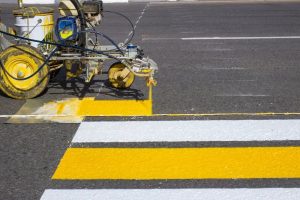
Striping fades gradually, which makes it easy to overlook. As lines dull and directional arrows lose clarity, traffic flow becomes less organized, especially in high-use areas. If drivers hesitate, drift between lanes, or ignore marked spaces, the layout may no longer be guiding movement effectively.
Clear striping defines parking spaces, supports pedestrian pathways, and maintains ADA compliance. When markings are difficult to see at night or after rain, it is time to refresh them to protect safety and reduce liability exposure.
The Parking Lot Maintenance Timeline Property Managers Should Follow
You do not need a complicated formula. You need a clear schedule that keeps small issues from turning into capital projects. While every commercial property has different traffic levels and usage patterns, the lifecycle below provides a practical framework for planning.
Commercial Pavement Lifecycle Overview
| Timeline | Primary Focus | Why It Matters |
|---|---|---|
| Immediately | Crack Filling, Pothole Repair | Prevent water intrusion and stop structural deterioration early |
| Every 2–3 Years | Sealcoating | Protect against UV exposure and moisture to slow oxidation |
| As Needed | Striping | Maintain safe traffic flow and ADA compliance |
| 10–20 Years | Resurfacing | Restore surface before base failure requires reconstruction |
Following a structured commercial parking lot maintenance timeline keeps costs predictable and extends pavement life significantly. The longer you delay intervention, the more expensive the solution becomes.
Common Parking Lot Problems And What Causes Them
Most pavement failures are not random. They follow a pattern. When you know what to look for, you can intervene before small surface issues become structural repairs.
Here are the most common problems property managers encounter:
- Water Intrusion
Water is the primary cause of asphalt deterioration. When rain enters small cracks, it weakens the base beneath the surface. Under traffic, that softened area compresses and eventually forms depressions or potholes. Standing water after storms is often your first warning. - UV Damage And Oxidation
Sun exposure gradually dries out the asphalt binder. As the surface hardens, it becomes brittle and more prone to cracking. A faded gray appearance usually signals advancing oxidation. - Heavy Traffic Loads
Repeated braking, turning, and acceleration concentrate stress in specific areas. Areas like entrances and drive lanes typically show damage first. - Poor Drainage
Improper grading or clogged inlets allow water to linger on the surface. Persistent moisture accelerates wear and increases the likelihood of base failure.
How Preventative Parking Lot Maintenance Extends Pavement Life
One of the biggest budgeting mistakes property managers make is assuming asphalt has a fixed lifespan. It does not. Pavement performance depends heavily on how it is maintained.
Without routine maintenance, commercial asphalt may last 7 to 12 years. With consistent inspections and preventative services, pavement can perform for 20 years or more before you need any major rehabilitation. That difference is not minor. It can mean postponing a six-figure capital project for years.
Preventative commercial parking lot maintenance reduces long-term cost per square foot by:
- Slowing surface oxidation
- Preventing base erosion
- Minimizing widespread cracking
- Reducing emergency repairs
The earlier maintenance begins, the greater the return on investment.
How To Create A Commercial Parking Lot Maintenance Plan
A successful parking lot maintenance plan does not need to be complicated. It needs to be consistent.
Here is a practical framework you can follow:
- Step 1: Establish An Inspection Schedule
Conduct monthly walkthroughs and schedule an annual professional evaluation to monitor pavement condition over time. - Step 2: Schedule Preventative Services
Plan sealcoating, crack filling, and striping based on pavement condition. A structured maintenance program keeps work predictable instead of reactive. - Step 3: Prioritize Repairs
Address active cracking and potholes immediately. Faded striping or early oxidation can be scheduled strategically. - Step 4: Budget Proactively
Allocate funds annually for preventative services. Planned maintenance reduces the risk of costly emergency repairs. - Step 5: Partner With A Qualified Contractor
Commercial properties require experience with traffic loads, drainage, and ADA compliance. Working with a self-performing provider like Carolina Asphalt ensures recommendations are based on actual pavement condition. As part of the Pave America network, projects benefit from regional expertise and national support.
How To Choose The Right Commercial Parking Lot Maintenance Company
Not all parking lot maintenance companies specialize in commercial properties. When evaluating contractors, look for:
- Experience with retail centers, industrial sites, and multi-tenant properties
- Full-service capabilities, including crack filling, patching, sealcoating, and striping
- Structured preventative maintenance programs
- Familiarity with local climate conditions
Commercial pavement performs best when it is managed consistently, not patched reactively. The right partner will focus on preservation strategies that extend pavement life and protect your investment.
Proactive Commercial Parking Lot Maintenance Prevents Costly Repairs And Extends Pavement Life
Parking lots usually give you time. Cracks widen slowly. Water starts to linger in the same spots. Striping fades little by little. The warning signs are there long before major repairs are required.
The difference comes down to whether those signs are addressed early or ignored until they become disruptive and expensive. With a proactive commercial parking lot maintenance plan, repairs stay manageable, budgets stay predictable, and pavement keeps doing its job.
For property managers in the Carolinas, that kind of consistency matters. A structured maintenance strategy protects your pavement, supports daily operations, and helps you avoid last-minute repairs that disrupt both your schedule and your budget.
FAQs About Commercial Parking Lot Maintenance
How Often Should Commercial Parking Lots Be Maintained?
Plan for monthly visual inspections and a professional evaluation at least once per year. Sealcoating is typically needed every three to five years, depending on traffic and condition. Crack filling and pothole repair should be handled as soon as they appear.
What Is Included In Commercial Parking Lot Maintenance Services?
Commercial parking lot maintenance includes both preventative and corrective work. Preventative services like inspections, crack filling, sealcoating, and striping help protect the pavement. Corrective services, such as pothole repair and patching, address areas where deterioration has already started.
How Often Should Asphalt Sealcoating Be Applied?
Most commercial properties benefit from sealcoating every three to five years. High-traffic sites may need more frequent evaluation. Sealcoating should always follow crack repairs or patching to protect a stable surface.
What Causes Potholes In Commercial Parking Lots?
Potholes form when water enters cracks and weakens the base beneath the asphalt. Traffic pressure then causes the surface to collapse. Proper drainage and early crack sealing significantly reduce the risk of pothole formation.
How Long Do Commercial Parking Lots Last With Proper Maintenance?
Without maintenance, asphalt may last 7 to 12 years. With consistent preventative care, commercial pavement can perform for 20 years or more before resurfacing becomes necessary.
When Should A Parking Lot Be Resurfaced Instead Of Repaired?
Repairs work best for isolated damage. Resurfacing is recommended when wear is widespread but the base remains stable. A contractor will evaluate cracking patterns, drainage, and overall pavement condition before making that recommendation.